From the House of the Dead
Leoš Janáček 1854-1928
Opera in three acts
Libretto by the composer after Dostoyevsky's novel (1862) based on his experiences in prison
First performed April 12 1930, National Theatre, Brno
Performed in Czech with English & German surtitles
ca. 1 hour 45 minutes, with no interval
an introductory talk, in German, begins in the upstairs foyer 30 minutes before every performance
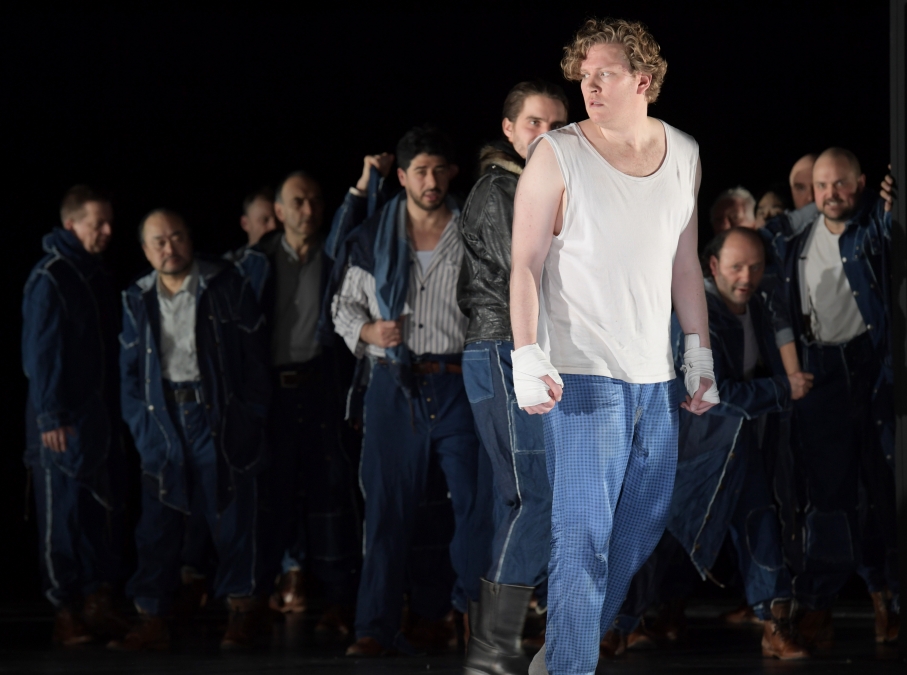
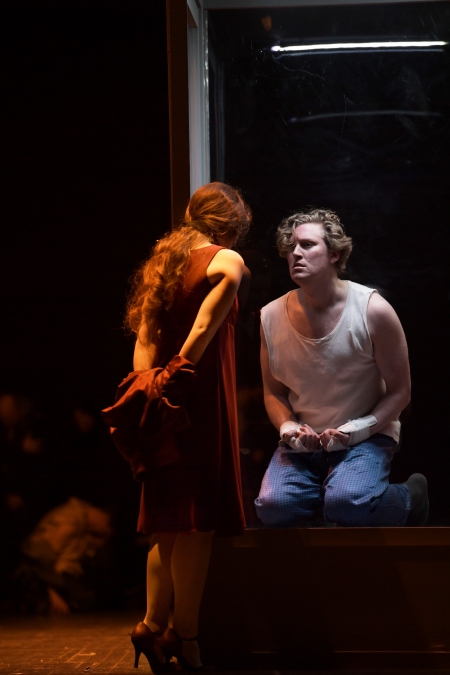
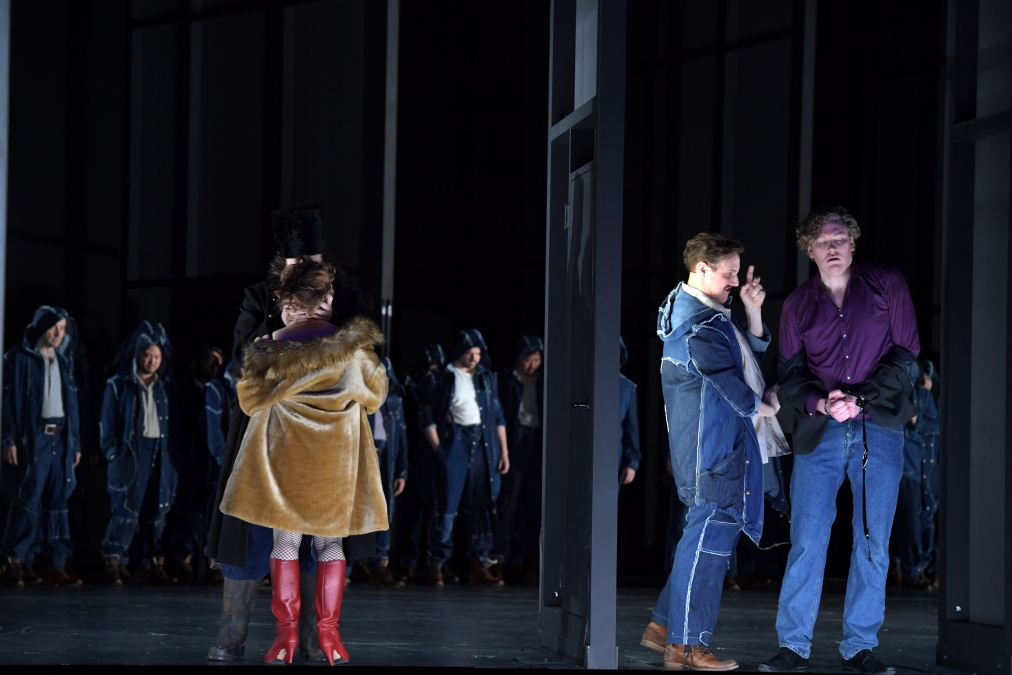
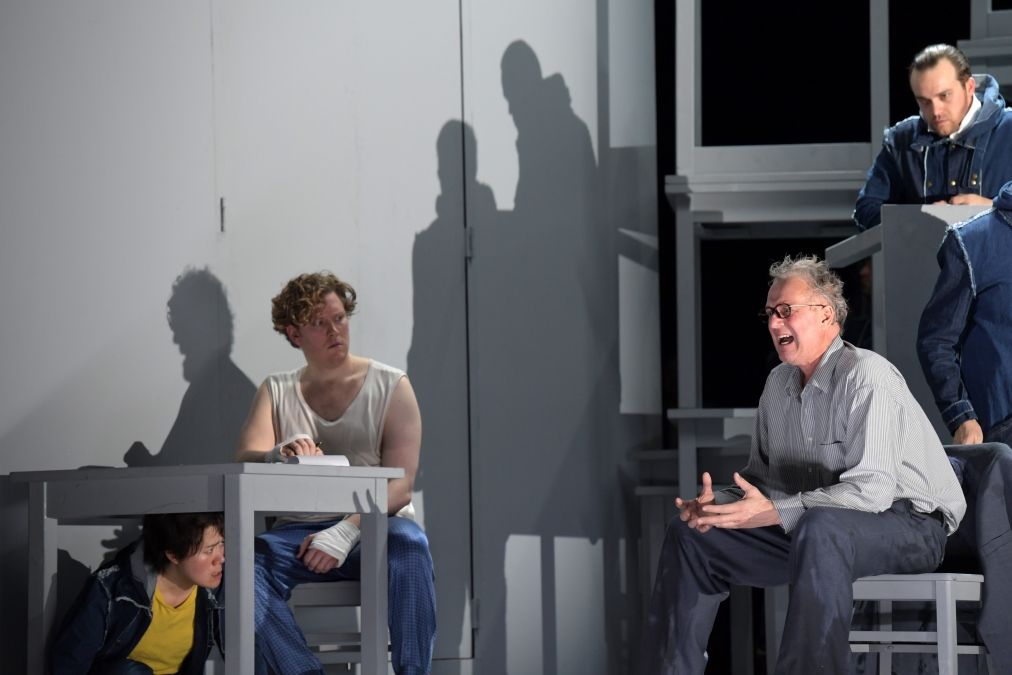
Act 1 Alexander Petrovič Gorjančikov, a political prisoner, is admitted. He is tortured and humiliated by the commandant. A fight breaks out between Luka and Skuratov. Luka explains why he was imprisoned: he stabbed a sadistic Major.
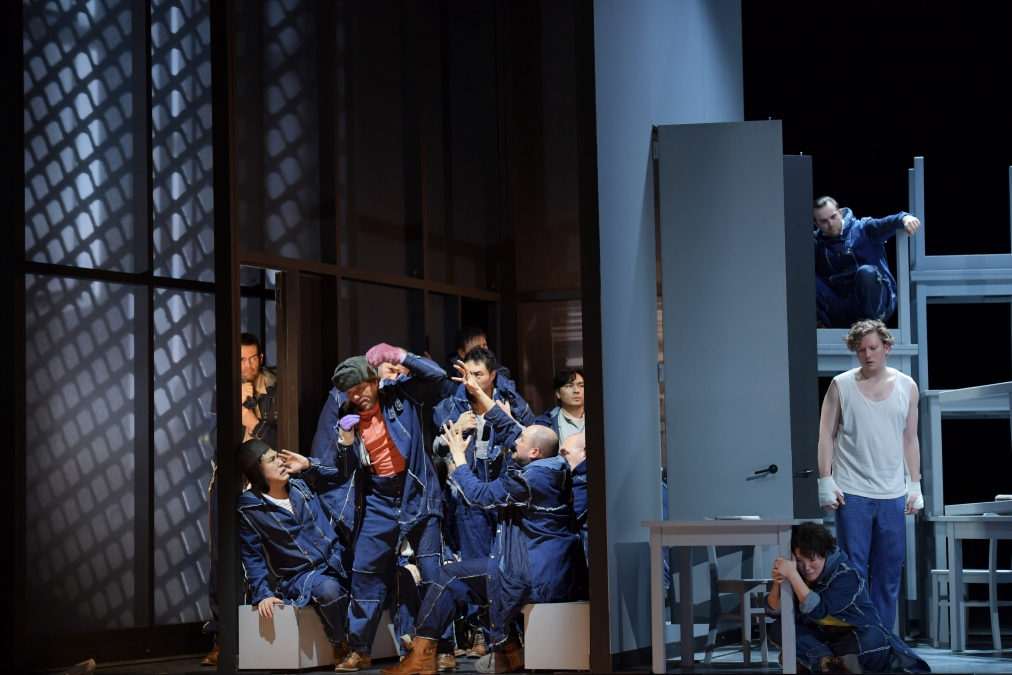
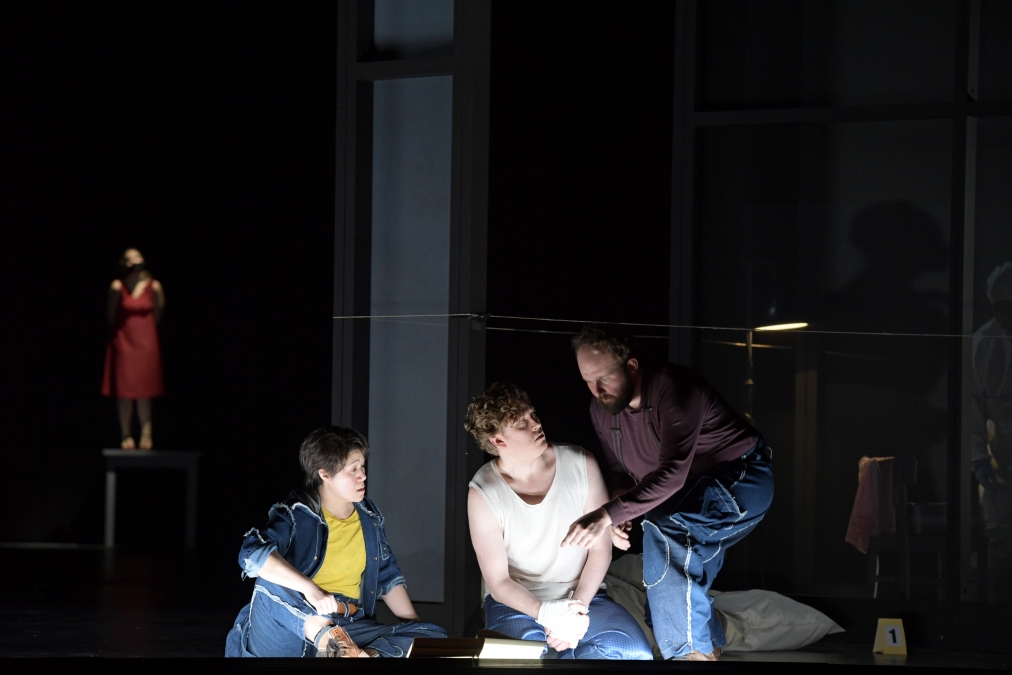
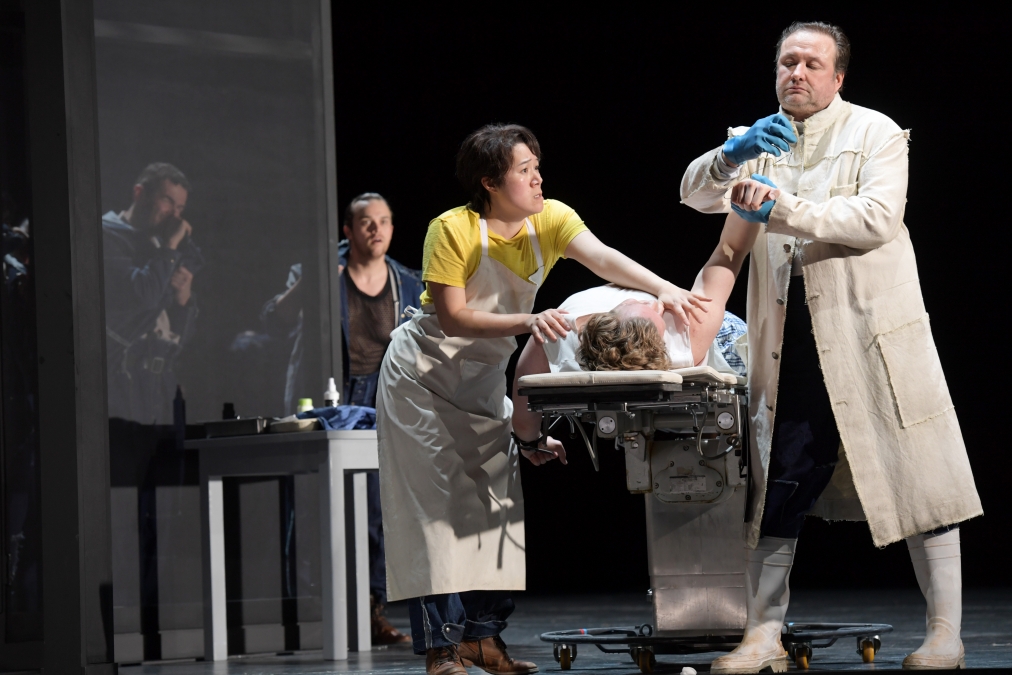
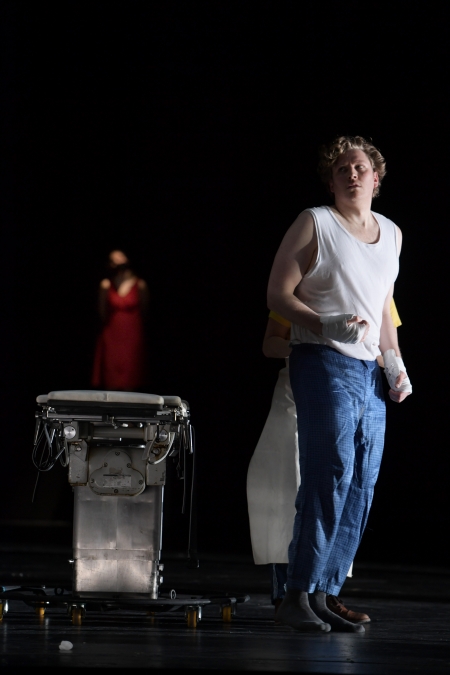
Act 2 Gorjančikov wants to teach Aljeja how to read and write. Bells proclaim the start of a holiday. Skuratov tells how he shot the man his beloved Luise was forced to marry. The prisoners play a sadistic game with Gorjančikov. Aljeja is wounded by a violent prisoner.
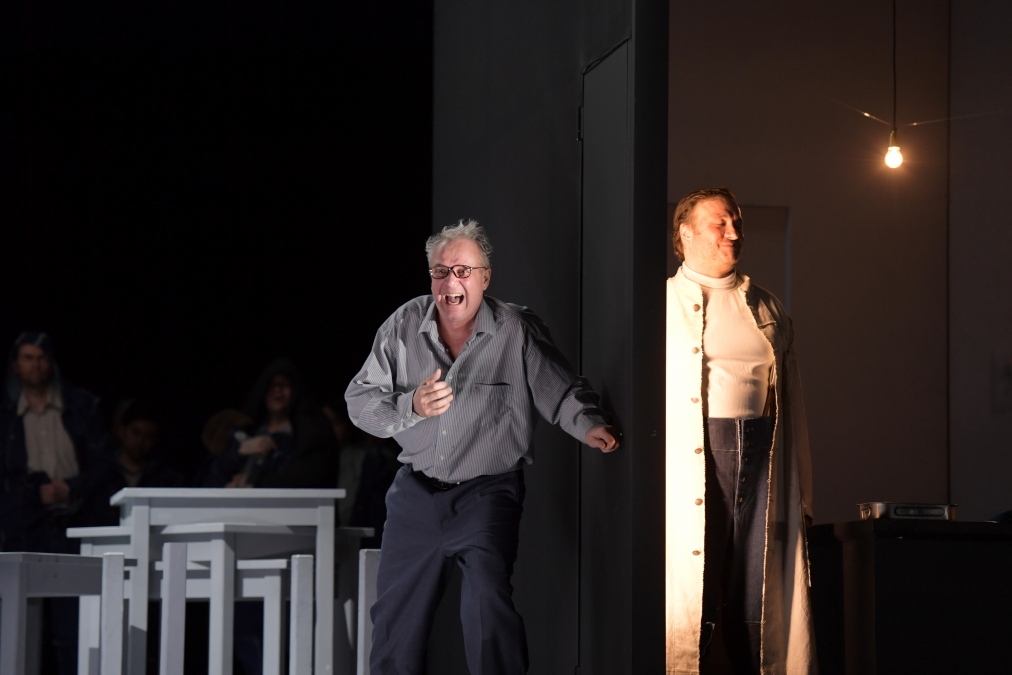
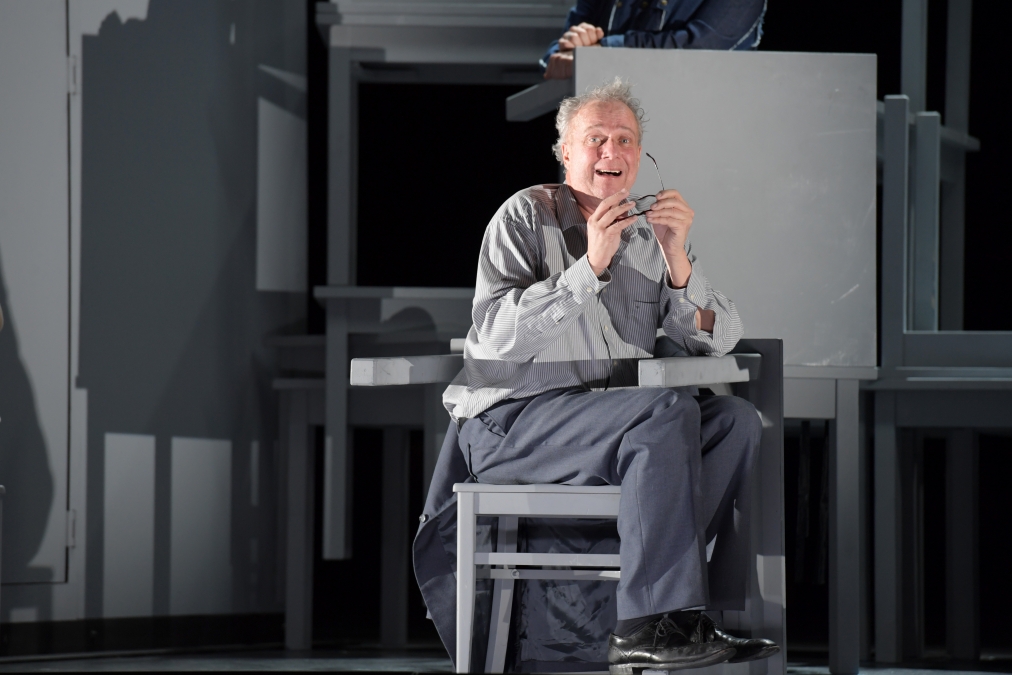
Act 3 Šapkin tells how he was imprisoned and tortured for vagrancy. Šiškov then begins the story of his wife Akulina, Filka Morosow's former lover. He murdered her when he found out that she, a married woman, still loved him. The former rivals recognise one another. The commandant announces, out of the blue, that Gorjančikov has been pardoned. He is released.
On the journey to the Siberian penal colony in Omsk a woman thrust a copy of the New Testament, with a ten rouble note hidden inside, into Dostoyevsky's hands. This became an instrument of inner transformation. He asked for it on his sick bed in 1881, opening it at random, a habit he developed in prison, and took the first words he read as a sign of the irreversible onset of death: The Notes from a Dead House published in 1862, the year in which Russian peasant serfs were emancipated, paints a vivid picture of the apalling living conditions in a prison camp. »A tiny flicker of God in every creature« : the profound phrase which Janáček wrote at the beginning of his score, links the opera to Dostoyevsky's story. Janáček's opera, begun in February 1927 and completed in May 1928, is revolutionary in many ways. He used a radically new music language to convey the epic demands of the work. The astonishing score includes eruptive elements, piercing dissonances, laconic, short motifs, rhythmical ostinati and language as »instant photography of the soul« (Janáček ). The brief appearance of a prostitute is the only female figure in a world of men whose movement is governed by constant monotonous repetition and whose symbolic expression is found in a wounded eagle. The composer's speech motif technique, his vivid poetry of transformation from word and music, shows itself here at its most brilliant. Janáček's »collective opera« was deemed by some to be too pessimistic, but only a decade after the world premiere its anticipation of the totalitarian levelling out of the individual proved accurate.